Virtual Discussion
June 24, 2021 3pm-4pm EST
Region IV Area Agency on Aging and Spectrum Health Lakeland continue to seek community input as we craft a vision for serving complex care older adults. Please join us as we host our first Community Action Group Discussion. Click here to for the link to register for this community-wide meeting.
Funded by a Planning Grant from the Michigan Health Endowment Fund . The Health Fund integrates medical interventions with home-based supports and services to serve complex care older adults.
Why Should I Attend?
Until recently, efforts to improve the health of older adults focused on expanding access to quality medical care. However, growing research suggests that Social Determinants of Health (SDoH), such as adequate access to nutritious food, stable income, safe housing, and reliable and affordable transportation, can have a greater influence on the outcomes of health care interventions than previously thought. Building a Continuum of Care requires strengthening the relationships between health systems, community-based programs, faith communities, and other community services.
Join your colleagues and peers as we explore the integration of community-based services and health care to better serve older adults.
Who Should Attend?
Anyone who has an interest in the health and well-being of older adults in our community:
- Caregivers
- Community Based Organizations
- Community Leaders & Local Government
- Community Planners and Developers
- Faith Based Organizations
- Health Plan Representatives
- Medical and Health Agencies
- Older Adults
- Policy Makers
- Social Service Organizations
Please visit the following link to read more about complex care: https://www.nationalcomplex.care/about/what-is-complex-care/
Spectrum Health-Lakeland employees will receive 3 contact hours for viewing this live virtual event and completing an evaluation form. After the event please visit Workday to view the event and complete an evaluation form.
Guest Presenters
Ira Byock, M.D., FAAHPM
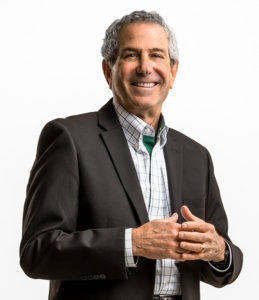
Title: Better Together – Fostering Wellbeing with Human-centered Health & Social Services
Brief Description:
Contemporary healthcare sees patients through a lens of medical problems-to-be-solved and responds with tests and treatments delivered in clinical settings. In contrast, patients experience those conditions within a continuum of life – as whole persons living within their families and communities. Dr. Byock highlights real-world opportunities to transform healthcare from a depersonalized set of transactions to a relationship that supports patients’ health and wellbeing. This transformation moves from problem-solving to thriving, from individual care to population health and flourishing. By definition, quality healthcare entails person-centeredness and goal alignment. Currently exemplified by PACE, evolving service delivery models address who people are, how they feel and function, where and with whom they live and their emotional, interpersonal, social and spiritual wellbeing. Human-centered design, person-centered metrics and user-friendly digital tools that collect patient-reported measures can broaden the scope of clinical visits without increasing their length. The primacy of primary care can be renewed in ways similar to concierge medicine and deliver better care and quality of life at lower costs – while improving the experience of primary care providers.
Learning objectives
- Identify demographic challenges and the Quadruple Aim of health services as a framework for transformation.
- Discuss the fundamental components of quality clinical care in the context of serious illness.
- Refocus on core principles and goals of therapeutics to promote human wellbeing through the end of life.
- Describe a vision for and definition of wellbeing that extends through the end of life while examining the opportunities within the difficult times of illness and dying – critical times in the lives of individuals and families
- Embrace Patient-Reported Health Measures as a practical means of expanding the breadth and depth of clinical encounters.
- Identify strategic initiatives to enhance goal-alignment:
Handouts Provided by Dr. Byock
Robyn Golden, MA, LCSW, ACSW
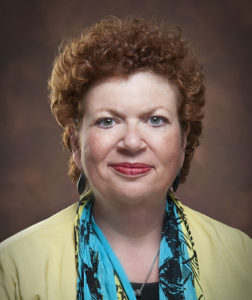
Title: Integrating Health and Social Care: Our Imperative in 2021 and Beyond
Brief description
Decades of research demonstrate that improving social conditions — such as access to stable income and housing, nutritious and sufficient food, appropriate health care, and reliable transportation — is critical to improving overall health across the United States and reducing inequitable outcomes in health and wellbeing. Social care that addresses these issues is particularly important for older adults, who may experience shrinking support networks and resources at the same time as their care needs become more complex. Due to the pandemic and worsening inequities in outcomes, now more than ever our imperative is to integrate health and social care to create systems that are coordinated, comprehensive, and compassionate.
Learning objectives
- Understand how various initiatives across the country are improving the health and well-being of older adults and family caregivers by making health care delivery more responsive to social needs through cross-continuum partnerships.
- Describe a framework for integrating health and social care: the “5As” as outlined in the National Academies of Science, Engineering, and Medicine study entitled Integrating Social Needs Care and the Delivery of Health Care.
- Identify opportunities for action by diverse providers across the continuum.
Tri-County Data to be Reported at the Community Convening
Quantitative Data
Community Assessment
Evaluation Summary
The Southwest MI Community of Care (CoC) collaborative seeks to understand gaps that may exist between its constituents and the services they need in their counties of focus: Berrien, Cass and Van Buren. Using de-identified data obtained from the Region IV Area Agency on Aging (AAA) and Spectrum Health Lakeland along with publicly available data and Medicare claims data, we will provide a better understanding of the demographics and characteristics of elders who live in these counties, the community services available to them, and the gaps that may exist in getting needed services to this population. Overarching conclusions and recommendations will be discussed. Conducted and Presented by the Altarum Institute.
Qualitative Data

To gain a 360° view of complex care in our community, we also partnered with Dr. Curtis VanderWaal from Andrews University to interview those with lived experiences in this realm. Individual interviews, focus groups, and surveys were distributed to complex care older adults and their caregivers, medical personnel, care management specialists, and community-based organizations. Assets, gaps, and barriers that exist to creating a complex care ecosystem in our tri-county area were documented.
Complex Care Older Adults
Evaluation Summary
We interviewed patients and documented their pathway from the Emergency Department or Inpatient, to home. We asked what services they received (assets), what are their perceived gaps and barriers, and how can we work together with Home and Community-based services to enhance their transition and stabilize them long term at home. The desired outcome was to identify the medical and home-based services/care coordination needed in the community to reducing Emergency Department, Inpatient, and Skilled Nursing Facility utilization. Tool Used: HARMS-8 (Hospitalization Admission Risk Monitoring System).
Community-Based Care Management
Evaluation Summary
We interviewed community-based care management specialist to document what they perceive as assets, gaps, and barriers to care, care transitions, and stabilization of complex care older adults in the community. Tool Used: Care Management Staff Questionnaire 10-2020, Proprietary.
Caregivers of Complex Care Older Adults
Evaluation Summary
Questions covered the age and relationship of the Caregiver, assistance they provide, concerns they experience, resources needed, and how caregiving has affected them personally. Tool Used: Caregiver Needs Assessment Survey, Proprietary.
Medical Staff and Stakeholders
Evaluation Summary
Focus groups were conducted with ambulatory care teams, inpatient care management, discharge planners, and navigators at specialty clinics. We explored what they perceive to be assets, gaps, and barriers to care, care transitions, and stabilization of complex care older adults in the community. Tool Used: Medicare Staff Questionnaire 10-2020, Proprietary.
Community-Based Organizations
Evaluation Summary
We surveyed Community-Based Organizations to determine their capacity to serve complex care older adults. The survey was designed to capture data before and 8 months into the COVID-19 pandemic. Tool Used: National Council on Aging, May 2020, “The Impact of COVID-19 on Community-Based Organizations Serving Older Adults.”
Meet the Steering Team
Region IV Area Agency on Aging and Spectrum Health Lakeland have a long history of collaboration. Central to this collaboration is our Steering Team who have worked together on multiple projects and who represent key areas within the medical field and home and community-based organizations.
———
For more information about this community event contact:
Peggy Schaffer
Project Manager, Region IV Area Agency on Aging
peggyschaffer@areaagencyonaging.org